

How I Learned to Truly Work as a Startup Founder
From thinking I worked 10 hours a day to actually tracking my time and building habits that doubled my productivity.

When you’re building a startup, there’s no real concept of “day” and “night.” You work whenever you can, as much as you can. At least, that’s what I thought I was doing.
The truth? Most of us feel like we’re working all the time, but when you actually check mobile screen time, distractions, or wasted hours, it often adds up to just 2 - 3 hours of real, focused work per day. Even in a traditional job, people rarely work the full 8 hours, usually, it’s 4 - 5 hours at best.
But if you’re a founder, you can’t afford to let that be the case. Your time is your lifeline. You need to track it, manage it, and maximize it. The big question I faced was: How do I actually do that?
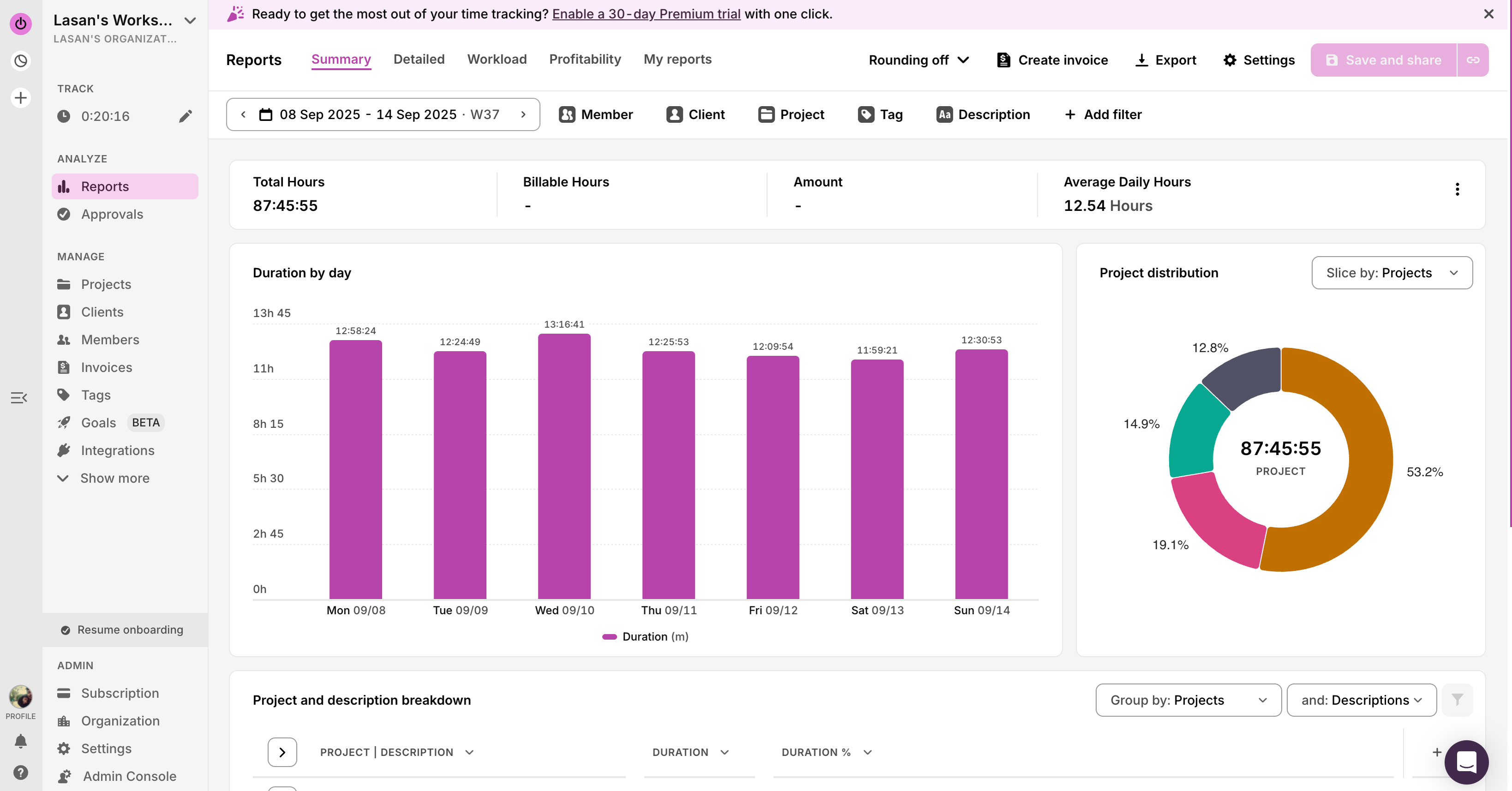
The biggest breakthrough for me was using time-tracking software. Tools like Toggl Track or Clockify are great (I personally use Toggl, but you can choose any). When I first started tracking, I thought I was working 9 - 10 hours a day. In reality, my logs showed 3 - 4 hours, sometimes 6 at most. That was eye-opening. To fix this, I created separate projects and tags in Toggl. Before starting any task, whether it was writing code, reading a book, or even exercising, I hit the timer. At first, I kept forgetting. But after a couple of weeks, it became second nature. At the end of each day, I reviewed my report:
What I worked on
How much time I spent
Where I wasted time
What I could improve tomorrow
Doing this daily helped me cut unnecessary activities and understand my real working capacity.
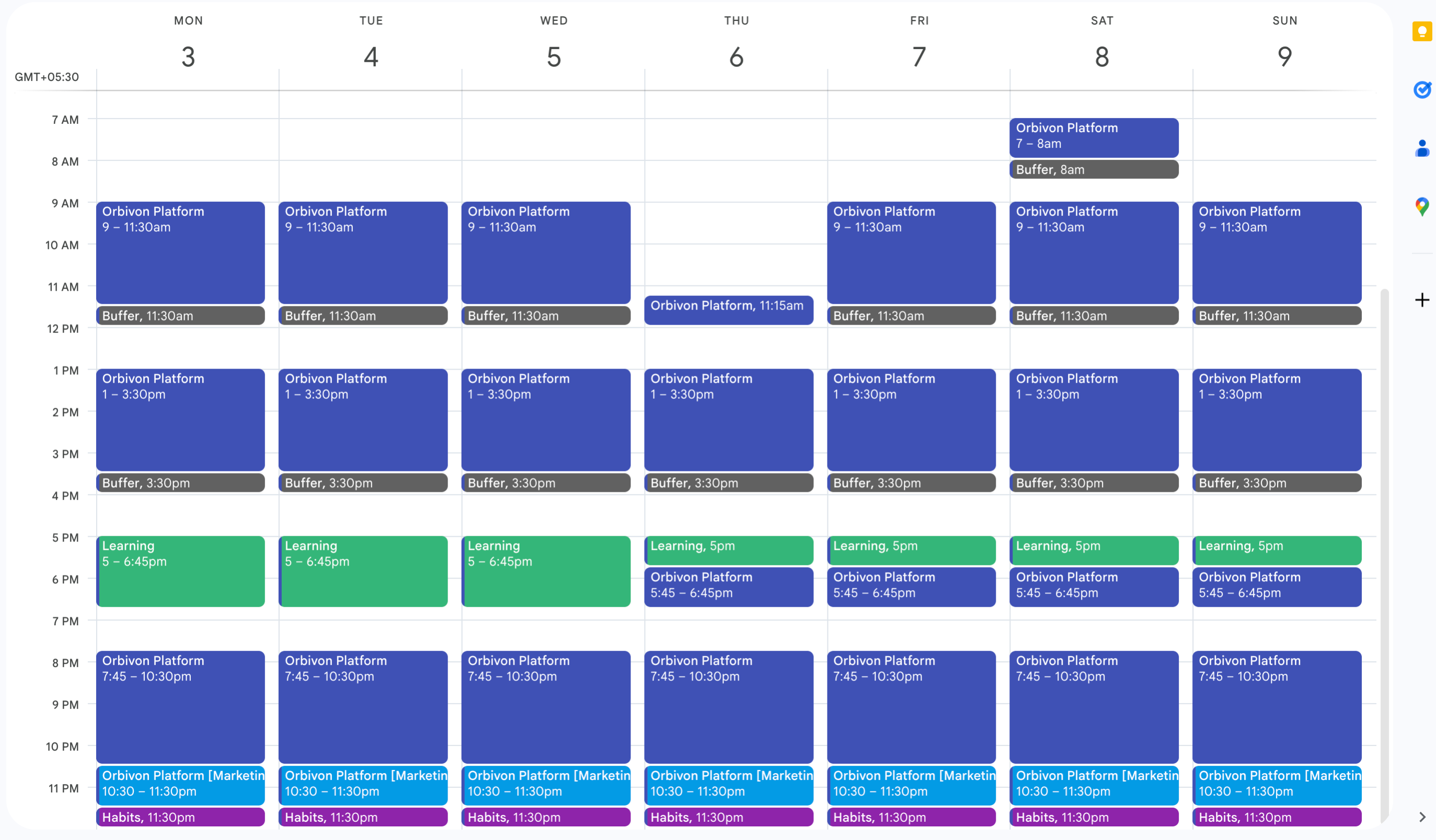
Once I got a grip on my working hours, I moved to planning. My tool of choice here is Google Calendar. Every night before bed, I plan out the next day. When I wake up, I already know exactly what I need to do, and, just as importantly, what I don’t need to do. A few rules I follow when planning are:
Assign specific time slots for each task.
If I need to go somewhere, I block that time in the calendar.
If I want free time, I leave it blank, so I know it’s intentional.
This small habit completely changed my mornings. No wasted time deciding “what should I do today?” I just start. And when the day begins that way, the rest flows without stress.
You might be wondering if all this effort pays off. For me, the answer is yes, without a doubt. By tracking and planning consistently, I went from a scattered schedule to working 70 - 90 hours a week (not per day!) while avoiding burnout. It didn’t happen overnight. At first, it was tough and felt unnatural. But after a few weeks, it became a habit, and habits compound.
It’s not about the paycheck, it’s about respect, it’s about looking in the mirror and knowing that you’ve done something valuable with your day.
Dave Kovic
If you’re a founder, don’t rely on the feeling of working hard. Measure it. Track it. Plan it. Then build habits that stick. It will be difficult in the beginning, but over time, you’ll not only work more, you’ll work smarter and with less stress.